
Mar 23, 2026
Key Highlights:
● Extended warranties are service contracts that cover certain repairs beyond the manufacturer’s warranty, with costs typically ranging from $1,000 to $4,000 or more.
● Many vehicles never experience major repairs during the extended coverage period, meaning a significant portion of purchased warranties go unused.
● Comparing warranty premiums to self-insurance—setting aside equivalent funds to cover potential repairs—can reveal whether an extended warranty is financially advantageous.
● Coverage often includes exclusions, deductibles, and authorized repair requirements, which reduce the net benefit of filing a claim.
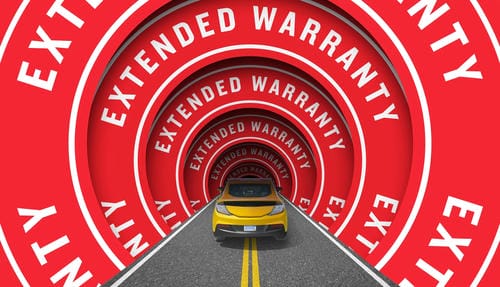
Estimated Reading Time: 7 minutes | Post by: Lila Montgomery
In the automotive purchase process, one of the most debated add-ons is the extended car warranty. Often presented as a cost-saving safeguard against unforeseen repair costs, this product’s value fundamentally depends on how you approach long-term car ownership, risk tolerance, and cost analysis. An extended warranty—technically a service contract rather than a legal warranty—extends the coverage period beyond a vehicle’s manufacturer warranty and promises to cover certain repair costs for mechanical breakdowns and failures. It can cover components like the engine, transmission, and electronics in exchange for an upfront payment or monthly premiums. Yet, the costs, coverage limitations, and typical use patterns of these products raise critical questions about whether the investment truly pays dividends over time.
At a basic level, extended warranties protect against expensive repairs after the factory warranty expires. Major automotive repairs—such as transmission replacement or engine overhaul—can cost several thousand dollars, with some estimates putting engine replacement costs in the multiple-thousand-dollar range. For drivers who lack ample savings and face a sudden component failure, the financial protection offered by an extended warranty can appear compelling. The industry has evolved to offer various levels of coverage, from powertrain-only plans that cost less but cover fewer components, to more comprehensive bumper-to-bumper plans that carry higher premiums but cover a broader range of parts. The average extended warranty can range from approximately $1,000 to nearly $4,000 or more, depending on coverage level, vehicle age, and provider.
However, the fundamental question remains: does the money spent on an extended warranty yield a positive return on investment compared to the actual repair costs you might incur? Critics of extended warranties point to data suggesting that many drivers never use the coverage they purchase. Surveys indicate that a considerable percentage of buyers don’t file a single claim during the life of their extended warranty. If a significant proportion of warranties go unused, the premium represents a net cost with no tangible benefit. Extended warranties are typically structured in a way that makes them profitable for providers; they collect more in premiums than they pay out in claims, particularly when consumers buy warranties for newer, highly reliable vehicles that seldom require major repairs. The net present value of buying an extended warranty must therefore be weighed against the statistical probability of repair events occurring within the coverage window.

Long-Term Cost Comparison: Warranty Premiums Versus Self-Insurance
One way to assess the value of an extended warranty is by comparing its cost to self-insurance—setting aside equivalent funds in savings to cover potential repairs. For example, if a five-year extended warranty costs $3,000, a car owner could instead deposit that amount into a savings or high-yield account and draw on it only if—and when—repairs are necessary. Financial analysts often urge this approach, noting that many vehicles seldom require repairs costing more than routine maintenance, particularly within the first decade of ownership. Self-insurance allows owners to keep funds that would otherwise be tied up in warranty premiums; if no large repair bill arises, they retain the balance along with any interest earned on savings. Conversely, if a costly mechanical failure does occur, the savings can cover the expense without having “wasted” money on unused warranty coverage.
Extended warranties also involve exclusions and limitations that complicate their value proposition. Almost all warranty contracts contain fine-print clauses that exclude coverage for normal wear and tear, damage from misuse, and some electronic or cosmetic components. In many cases, claims processes can be cumbersome, and repairs may require using specific authorized repair facilities. Furthermore, some extended warranty packages include deductibles for each repair visit, further reducing the net financial benefit when a claim is filed. All these factors diminish the pure cost-benefit value of such products.

Beyond the financial arithmetic, the value of an extended warranty often comes down to individual risk tolerance. Some drivers value the peace of mind that comes with transferring the risk of expensive repairs to a third party; others view the warranty as an unnecessary insurance product that, statistically, will not be used. This divergence in consumer psychology means that while extended warranties may be financially disadvantageous for owners of reliable vehicles, they could make more sense for those who own high-maintenance or luxury models, or who lack the financial buffer to absorb a large repair bill. Analyzing brand reliability data and expected annual repair costs can help determine whether typical repair costs for your specific vehicle exceed the annualized premium of an extended warranty.
Market Trends and Industry Incentives
The global market for extended automotive warranties continues to expand as vehicle complexity and repair costs rise. Market analyses project significant growth in the extended warranty sector in the coming decade, driven by increased demand for economic protection against mechanical failures and the growing number of vehicles on the road. Providers are innovating with customizable warranty products, including transferable policies and integrated service packages that may include roadside assistance. While these market trends reflect the perceived value among certain consumer segments, they also underscore the profitability of extended warranties as a product category and the incentives for sellers to promote them.

Yet this profitability for providers does not inherently translate to value for buyers. The industry’s growth has attracted scrutiny over marketing practices and consumer understanding. Regulatory bodies have taken action against fraudulent telemarketing that targets unsuspecting consumers with bogus extended warranty offers, highlighting the importance of discerning legitimate products from scams. This underscores the need for buyers to thoroughly research warranty providers, understand contract terms, and compare coverage against expected repair scenarios before making a purchase.
As automotive technology continues to advance, with more electronics, sensors, and complex systems integrated into vehicles, repair costs are likely to remain high for certain components. For owners who keep their vehicles for many years and rack up mileage well beyond the manufacturer’s warranty period, extended coverage for these systems could provide meaningful financial protection—particularly if the vehicle is prone to failures outside the original warranty coverage. Nevertheless, each owner’s situation differs, and careful long-term cost comparisons should inform the decision to invest in an extended warranty versus adopting alternative financial strategies.
(This content is for general informational purposes. Individual results vary depending on vehicle reliability, mileage, repair history, and market conditions. Readers should evaluate specific vehicles and warranty offers before making purchasing decisions.)
FAQs
Do extended warranties cover wear-and-tear items like brakes and tires?
Many buyers assume all parts are covered, but typical warranties exclude normal wear, so knowing this helps set realistic expectations.
Can extended warranties be transferred if I sell my car?
Understanding transferability can affect resale value and whether the warranty adds financial benefit beyond the original owner.
How does a car’s reliability rating affect whether an extended warranty is worth it?
Cars with higher reliability may rarely need major repairs, meaning the warranty could be less cost-effective compared to self-insuring.
Updated May 20, 2026
About the Author
Lila Montgomery is a fictional automotive finance analyst specializing in ownership costs and risk management. He helps readers assess products like extended warranties, insurance, and service plans to make informed, long-term vehicle investment decisions.
References
https://www.aarp.org/auto/car-maintenance-safety/extended-warranty-cost-vs-coverage
https://www.autocheatsheet.com/buying-guides/extended-warranty-tips
https://www.cars.com/car-warranty/money/is-an-extended-car-warranty-worth-it
https://www.gobankingrates.com/saving-money/car/should-purchase-extended-warranty
https://www.autoblog.com/carbuying/is-your-extended-warranty-worth-1000-year-the-math-says-maybe-not
Recommend:
Why Small SUVs Become Costlier Than Sedans After 60,000 Miles: A Real-World Maintenance Breakdown

Global Roads, Global Needs: What Life Across Continents Teaches Us About Cars and Daily Life Across the World

Small Maintenance Tasks Significantly Preserve Vehicle Value Over Time
Why Hanging Onto That Old Ride Might Be Your Smartest Move