
Mar 11, 2026
Key Highlights:
● Modern vehicles are significantly more durable, with many capable of reaching 200,000+ miles and median lifespans extending up to 17–25 years depending on vehicle type.
● The average age of vehicles on U.S. roads is now around 12–13 years, reflecting both improved reliability and economic pressure to delay replacement.
● Replacement timing is best evaluated through cost thresholds, such as rising repair frequency, the “$3,000 annual repair rule,” or when repair costs exceed ~50% of vehicle value.
● A commonly cited cost-effective ownership window is roughly 8–12 years or 150,000–200,000 miles, balancing depreciation efficiency and rising maintenance risk.
● Early replacement increases depreciation costs, while delayed replacement increases exposure to unpredictable repairs and reliability risks.

Estimated Reading Time: 8–9 minutes | Post by: Theo Ashbourne
Deciding when to replace your car is a question that blends emotion with economics, nostalgia with numbers, and reliability with resale value. For many drivers, the decision isn’t as simple as “when it stops running” or “when the warranty expires”; it involves a careful assessment of how long modern vehicles actually last, how average ownership patterns are shifting, and what data tells us about the cost and risk of keeping an aging car versus investing in a replacement. With cars today built to far higher durability standards than decades past, the traditional rule of thumb that suggested replacing a vehicle every five to seven years no longer applies universally. In fact, American drivers are holding on to their vehicles much longer than ever before, with the average age of cars on the road now exceeding 12 years—a record high that reflects both improved longevity and economic pressures on new‑car purchases.
How Long Cars Actually Last?
Cars are far more durable today than in decades past. Advanced manufacturing processes, improved materials, and better engine and electronic systems mean that modern vehicles often achieve significantly higher lifespans than older models. According to Consumer Reports data, if properly maintained, many modern cars from dependable brands can reach 200,000 miles or more before they’re truly worn out—rather than merely showing signs of aging or requiring minor repairs. This high-mileage capability is a dramatic improvement compared with the past, when 100,000 miles was often seen as a signal to consider a trade-in. [1]

Statistical research on U.S. light-duty vehicles shows that median lifetimes are increasing, with typical cars lasting around 17 years, SUVs around 20 years, and pickup trucks up to 25 years before they’re scrapped. These figures reflect long-term trends in vehicle durability and suggest that, from a purely mechanical lifespan perspective, many cars remain useful well beyond 10 years of service.
Despite these long potential lifespans, the data on average vehicle age on the road tells a slightly different story. Multiple industry analyses indicate that the average age of cars in the United States is approaching 13 years and continues to rise. CCC Intelligent Solutions and S&P Global Mobility report average vehicle ages of roughly 12.7 to 12.8 years, indicating that many drivers are keeping their vehicles much longer than typical replacement benchmarks from even a decade ago. [2]
These trends are partly economic: high prices for new and used cars have made many consumers reluctant to replace their vehicles prematurely. With the used-car market’s average pricing trending above $30,000 for relatively recent vehicles, the traditional financial calculus of buying used to save money becomes less clear than it once was.
Balancing Longevity, Maintenance Costs, and Replacement Timing
Longevity alone doesn’t determine when you should replace your car. A critical consideration for many owners is the cost of ownership over time, which increases steadily as vehicles age. While routine maintenance like oil changes, tire rotations, and minor repairs is manageable, major component failures become more likely as cars surpass certain mileage and age thresholds. Timing belts, transmissions, and suspension parts often begin to require expensive repairs in the 100,000–150,000 mile range, and these costs can escalate rapidly once vehicles cross that boundary.
One practical rule of thumb often cited is the so-called “$3,000 rule”: if you anticipate that annual repairs will cost more than $3,000, or if major mechanical issues become frequent, it may be more economical to start shopping for a replacement. This ruleset reflects the point where the marginal benefit of repairs begins to diminish relative to the cost of a newer, more reliable vehicle. [3]

Another financial heuristic used by automotive experts is the 50% repair cost rule: if a needed repair will cost more than half the current resale value of your car, it may be time to replace it rather than sink money into a depreciating asset. This simple formula helps owners avoid the pitfall of repeatedly investing in a car whose value continues to shrink while its maintenance demands increase.
While specific thresholds vary by vehicle type and personal tolerance for risk, most analyses suggest that keeping a car until about 150,000–200,000 miles (or roughly 8–12 years) is often the most cost-effective scenario for many average drivers. In this range, depreciation has slowed relative to early years of ownership, but the likelihood of catastrophic failures is still moderate rather than high.
Of course, not all vehicles or drivers are the same. Diesel and hybrid vehicles often exhibit different wear patterns than conventional gasoline cars, with diesels sometimes lasting longer due to robust engine design, and hybrids sometimes encountering specific issues with high-voltage battery systems that affect replacement timing. Battery electric vehicles (BEVs) also have unique longevity considerations, such as battery health and warranty coverage, which often shape when drivers elect to replace them. [4]
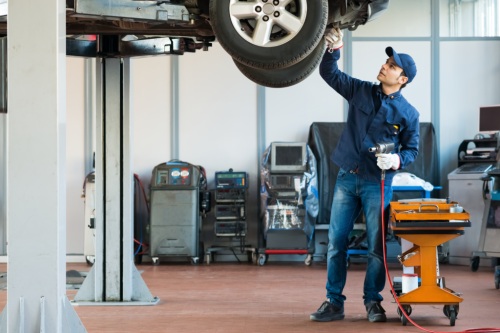
Owners should also consider the average age of the vehicle fleet as a benchmark for replacement behavior. When the national average hovers near 13 years, it suggests that many drivers defer replacement well beyond the age where regular maintenance begins to escalate significantly. This trend underscores the influence of economic pressures on vehicle ownership decisions, where drivers choose to extend ownership to avoid the high costs of new car purchases.
Ultimately, the data points toward a replacement window between 8 and 12 years for most drivers as a reasonable sweet spot. This range balances the benefits of extracting value from your car’s initial depreciation against the rising cost and inconvenience of escalating repairs. However, for those who maintain their vehicles meticulously and avoid severe usage patterns, it is not unusual to extend ownership beyond this window when the car remains reliable and safe.
Replacing your car too early can incur unnecessary depreciation costs—new vehicles lose a large portion of their value in the first few years—while replacing too late can mean dealing with mounting repair bills and reliability risks that erode the convenience and safety of ownership. Data-driven decision-making that accounts for maintenance costs, market values, and personal driving needs will yield the most economically sound timing for your next vehicle investment.
(This article synthesizes general industry statistics and heuristic frameworks used in automotive cost analysis. Actual replacement timing depends on vehicle condition, usage intensity, maintenance history, regional cost structures, and individual financial circumstances.)
FAQs
1. How does driving style affect how long a car lasts before replacement becomes necessary?
Aggressive driving, frequent short trips, and heavy loads tend to accelerate wear on key components, while smooth driving and consistent highway use generally extend vehicle lifespan.
2. Does regular maintenance significantly change the optimal time to replace a car?
Yes. Well-maintained vehicles can safely stay in the “cost-effective ownership window” longer, often pushing replacement well beyond 12 years if major systems remain in good condition.
3. How do regional conditions influence replacement timing?
Climate, road quality, and exposure to salt or extreme temperatures can increase corrosion and mechanical wear, meaning cars in harsher environments often require earlier replacement than those in mild conditions.
Updated May 4, 2026
About the Author
Theo Ashbourne is a fictional automotive analyst specializing in vehicle lifecycle economics, ownership behavior, and long-term cost modeling in consumer transportation markets. His work focuses on bridging mechanical reliability data with real-world financial decision frameworks.
Sources
[1]: https://www.consumerreports.org/cars/car-reliability-owner-satisfaction/what-is-a-reasonable-life-span-for-a-modern-car-a4678774857/?msockid=331fda3a209e608a35a1ccbb21b8611b
[2]: https://www.sciencedirect.com/science/article/abs/pii/S0965856424000302
[3]: https://www.autoblog.com/news/the-3000-rule-when-to-keep-your-car-and-when-to-trade
[4]: https://www.carriermanagement.com/news/2025/05/01/274787.html
Stay connected with more expert-level automotive content designed to help you get the most out of your vehicle.
Recommend:

Your Step-by-Step Roadmap to Avoid Buyer’s Remorse

Why Small SUVs Become Costlier Than Sedans After 60,000 Miles: A Real-World Maintenance Breakdown
Why Hanging Onto That Old Ride Might Be Your Smartest Move

Why Drivers Are Choosing to Hold or Upgrade Their Cars?