
Mar 18, 2026
Key Highlights:
● Routine maintenance is not just an expense—it’s a strategic investment that protects reliability, efficiency, and resale value.
● Preventive actions like oil changes, tire care, and brake replacements reduce the likelihood of costly emergency repairs.
● Well-maintained vehicles achieve better fuel economy, saving money over thousands of miles and years of ownership.
● Maintenance history can slow depreciation: cars with documented upkeep often retain 10–15% more value than neglected vehicles.
● Balancing maintenance and awareness of depreciation helps owners maximize long-term value and lower total cost of ownership.
Estimated Reading Time: 6 minutes | Post by: Evelyn Hartmoor
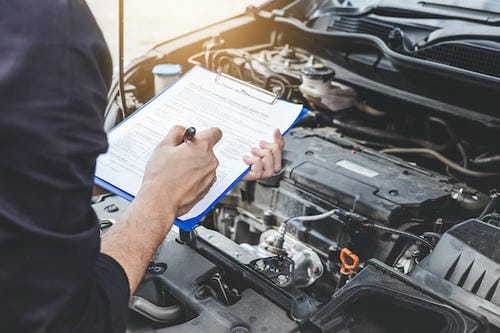
Every vehicle owner understands that maintenance is part of the cost of ownership, but fewer grasp how routine care and small fixes serve as a strategic investment rather than a discretionary expense. Regular maintenance—oil changes, tire rotations, brake checks, fluid flushes and other basic services—may seem incremental in cost, but their cumulative impact on long-term repair expenses, fuel efficiency, and overall reliability is significant.
Maintenance: Immediate Costs and Long-Term Benefits
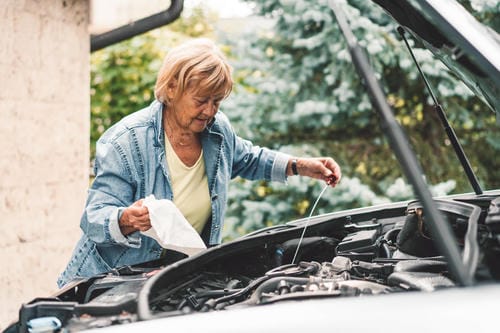
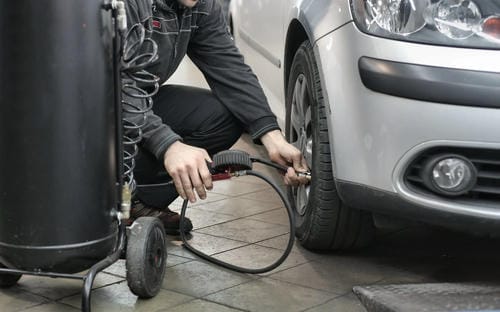
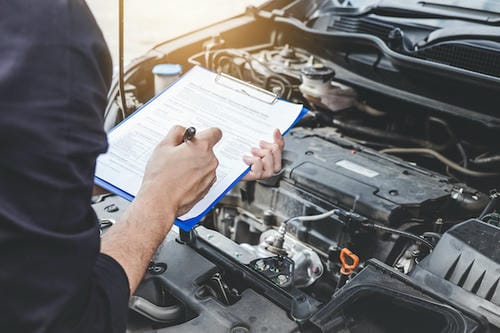
A well-maintained car runs more efficiently and reliably, and proactive maintenance minimizes the risk of costly breakdowns that can easily exceed thousands of dollars in emergency repairs. For example, simple preventative steps such as timely oil changes or replacing an air filter can improve fuel efficiency and prevent engine wear that would otherwise shorten a vehicle’s usable lifespan. Small tasks like keeping tires properly inflated and replacing worn brake pads early help avoid larger expenses like uneven tire wear or damaged rotors, which can cost significantly more to repair. In essence, the aggregate cost of these modest maintenance actions over many years typically remains far lower than the repair bills that arise when issues are ignored or deferred. By addressing minor problems as they emerge, owners keep their vehicles operating efficiently and help avoid the more disruptive financial impact of emergency services or system replacements. [1]
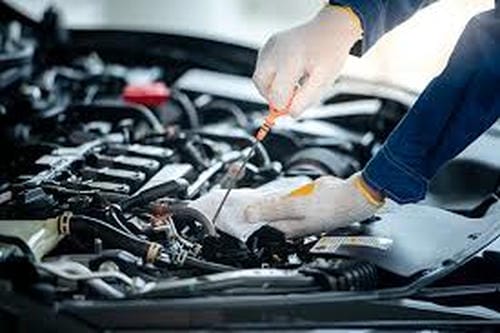
Importantly, the financial advantages of regular maintenance extend beyond just preventing breakdowns. Vehicles that are kept in good mechanical condition typically achieve better fuel economy than those running with neglected systems. Routine maintenance that keeps an engine clean and properly tuned can lower fuel consumption by helping the car burn fuel more efficiently, meaning savings at the pump that add up over thousands of miles. Over a decade of ownership, these incremental fuel savings combined with fewer major repairs can result in several thousand dollars of avoided costs. Moreover, adherence to manufacturer-recommended maintenance schedules signals to future buyers that the vehicle has been cared for properly—which can improve resale value substantially compared to a mechanically neglected car.
Financial analysts also highlight that regular maintenance can extend a car’s overall lifespan. A vehicle with consistent care can exceed typical ownership timelines, allowing owners to delay costly new purchases or financing payments required for replacement vehicles. Rather than facing a major transmission or engine failure when a car is four or five years old—which often prompts replacing the vehicle entirely and absorbing steep depreciation—careful upkeep can push those pivotal maintenance events further into the future. The result is a lower total cost of ownership over the long haul. [2]
Depreciation: The Silent Cost of Vehicle Ownership
While maintenance represents an active and somewhat predictable cost, depreciation is the silent and often underestimated financial reality of car ownership. From the moment a new vehicle is driven off the dealership lot, it begins losing value—and generally at its fastest rate in the earliest years of ownership. Industry data show that new cars can lose 20% to 30% of their value in the first year alone and may lose more than 50% of their value over five years. This natural depreciation curve is influenced by factors such as market demand, mileage, condition, age, and perceived reliability. Vehicles that are well maintained and fully documented with service records tend to depreciate at a slower pace than those without a maintenance history or those that show signs of neglect.
Unlike maintenance, which involves discrete, manageable costs, depreciation represents a loss of value that the owner cannot control directly. However, what can be controlled is how that depreciation accelerates or decelerates relative to the vehicle’s condition. A car with extensive maintenance records and a documented history of routine service typically commands higher resale value when it enters the used market. Buyers are willing to pay more for a vehicle with clear evidence that it has been cared for consistently, and some studies suggest that well-maintained cars can retain up to 10–15% more value than similar vehicles that lack documented maintenance.
This relationship between maintenance and depreciation highlights an important financial interplay: while depreciation is unavoidable, its impact can be moderated. Investing small amounts regularly in maintenance improves mechanical condition and enhances buyer confidence, which in turn can reduce how quickly market value diminishes. Skipping maintenance accelerates wear and tear, creating the opposite effect—diminished reliability and greater depreciation. Buyers perceive neglected vehicles as higher risk, often discounting their offers or avoiding purchase altogether.
Maintenance and Depreciation: The Critical Financial Balance
To illustrate this interplay with an example: consider two seemingly identical five-year-old cars on the used market. The one with a comprehensive maintenance history and no unresolved small issues will likely fetch a higher price than the other with spotty service documentation and deferred maintenance. The price differential between these two cars is not just a function of mileage; it is a reflection of perceived value rooted in ongoing care. In this sense, routine maintenance becomes a financial instrument for preserving equity in an inherently depreciating asset.
Ultimately, understanding depreciation and its relationship to maintenance helps owners make more informed decisions. Maintaining a vehicle not only supports reliable operation and protects against major costs but also serves as a strategic response to inevitable depreciation. While depreciation cannot be eliminated, it can be mitigated—especially when a vehicle’s condition demonstrates to prospective buyers that it has been responsibly maintained throughout its life.
(The content provided is for general informational purposes. Individual results may vary depending on vehicle type, driving habits, market conditions, and local maintenance costs.)
FQAs
1. Why is routine maintenance considered a strategic investment rather than just an expense?
Regular maintenance prevents costly breakdowns, improves fuel efficiency, prolongs vehicle lifespan, and preserves resale value, meaning small, consistent costs can save thousands over a car’s lifetime.
2. How does maintenance affect a car’s depreciation?
While depreciation is unavoidable, well-documented maintenance slows its impact by signaling reliability and care to prospective buyers, helping retain up to 10–15% more value compared with neglected vehicles.
3. Can delaying maintenance lead to higher total ownership costs?
Yes. Deferring small repairs increases the risk of major component failures, reduces fuel efficiency, and accelerates wear, which ultimately raises long-term expenses and accelerates depreciation.
Updated May 18, 2026
About the Author
Evelyn Hartmoor is a fictional automotive analyst specializing in the economics of car ownership. He focuses on practical strategies to reduce long-term costs, optimize vehicle lifespan, and make data-driven decisions regarding maintenance, depreciation, and replacement timing.
Sources
[1]: https://needmechanic.com/how-regular-car-maintenance-saves-money-on-repairs
[2]: https://www.stressfree.com/blog/buying-new-vs-holding-on
[3]: https://www.statefarm.com/simple-insights/auto-and-vehicles/how-to-minimize-car-depreciation
Before you go, feel free to explore more posts that cover practical car tips, industry updates, and long-term ownership insights.
Recommend:

Why Your Next Car Is More Than a Machine?
Small Maintenance Tasks Significantly Preserve Vehicle Value Over Time

Cars Are Now Personal Living Spaces Where People Relax, Work, and Live

Why Drivers Choose Long-Term Ownership Over Constant Switching