Feb 10, 2026
Key Highlights:
● Modern cars are evolving into connected lifestyle platforms rather than simple transportation tools.
● Connectivity, software, and digital ecosystems are reshaping how drivers interact with vehicles.
● Younger consumers increasingly view cars as extensions of their personal and digital identities.
● Automakers are expanding into subscription services, smart integrations, and digital experiences.
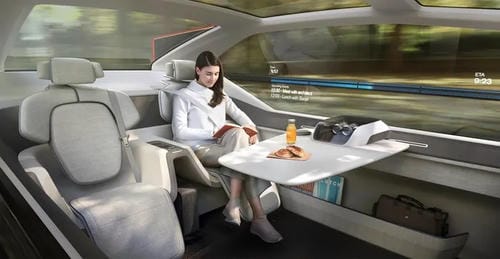
● Autonomous driving technology could eventually transform vehicles into mobile living and working spaces.
Estimated Reading Time: 8 minutes | Post by Jordan Hale
In recent years, the automobile long understood primarily as a mode of transportation is undergoing a profound transformation in how people use and relate to it. Far from being just metal and wheels to get from point A to point B, many drivers are now treating their cars as multi-functional environments that support a wide array of daily life activities. This phenomenon reflects broader cultural and lifestyle shifts: an increasing emphasis on autonomy, changes in work patterns, rising housing costs, and evolving expectations for privacy and comfort. For a growing portion of the population — especially younger adults — the car is no longer a “vehicle” in the narrow, utilitarian sense. It is an intimate space where people relax, work, socialize, and even store the habits and tools of daily living that once belonged solely to the home. Across different demographics, and in both developed and developing contexts, cars are being repurposed as personal sanctuaries, mobile offices, and flexible hubs of daily life. These new uses reveal not only practical adaptations but changes in how people define living space, autonomy, and personal refuge in an increasingly congested and connected world.
At the core of this shift is a reimagining of the role of the vehicle in everyday life. Once strictly tied to commuting and logistics, the car has become a “third space” — a private environment for solitude, decompression, and activities that previously took place only in fixed locations like homes or offices. A recent consumer survey identified that nearly half of drivers now view their vehicle as a third space, after home and work, engaging in behaviors such as parking quietly to relax or simply driving without a specific destination to clear their heads. This trend is particularly strong among younger generations, with Gen Z and Millennials significantly more likely than older drivers to treat their cars as personal havens rather than just transportation tools. [1]
Technology and Multifunctionality Inside the Vehicle
This behavioral transformation is tied to broader lifestyle changes. The shift toward remote and flexible work, accelerated by the COVID-19 pandemic, has blurred the lines between residential, work, and travel spaces, making the confinement of traditional workspaces less relevant. Even before this shift, many drivers were already using their vehicles as spaces for “me time,” whether to take a private phone call, grab a moment of peace, listen to media uninterrupted, or simply rest between errands. Over time, this pattern has solidified into a cultural expectation: that a car should serve not only as transportation but also as a personal refuge and adaptable zone for daily life activities. [2]
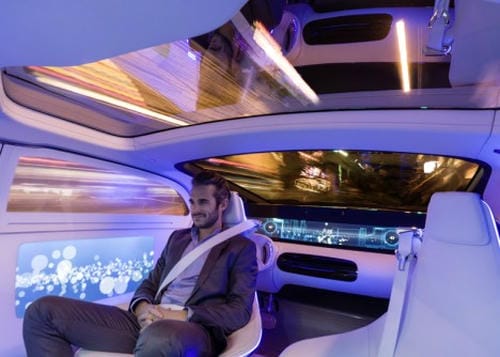
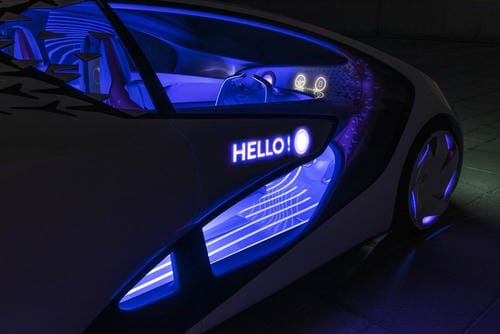
Crucially, the integration of sophisticated technology and connectivity has further amplified this change. Modern vehicles increasingly provide connectivity options for streaming, communication, and productivity tools — features that allow the car to function as a mobile living room or virtual office. In-car infotainment systems with smartphone integration mean occupants can access entertainment platforms, remote work applications, and social interactions in ways that were previously unimaginable. Such digital ecosystems reinforce the perception of the car as an extension of our connected lifestyle, offering privacy, comfort, and convenience away from home.
This redefinition of the car’s function has broader implications for how people structure their daily routines. For many drivers, the vehicle is now a staging ground for a variety of activities traditionally tied to fixed spaces. For instance, some drivers use their parked cars as temporary places to decompress after a stressful day, rather than heading straight inside their homes. Others find the vehicle a quiet setting for private phone calls, remote meetings, or focused work sessions when home environments prove distracting or crowded. Such uses illustrate people’s growing need for flexible spaces that accommodate multiple facets of life in real time — a need that standard residential or office environments do not always satisfy.
Lifestyle and Economic Forces Behind Vehicle Living Trends
At the same time, the practical repurposing of the vehicle environment reflects ongoing shifts in how people balance convenience, preparedness, and spontaneity. For younger adults, especially those facing housing affordability challenges or shared living arrangements, the car provides an additional dimension of personal space that can be dynamically adapted to daily needs. A recent poll of vehicle owners found that nearly 31% of Generation Z respondents reported viewing their car as a “second home”, and a similar proportion of Millennials echoed this sentiment — far higher than older generations. This involves using cars not just for transit, but also for storing personal essentials, entertainment gear, and situational tools that support activities outside the home. [3]
The way drivers stock and organize their vehicles further highlights how these spaces are being customized to support everyday life. People now routinely carry items like phone chargers, personal care products, travel cups, and entertainment devices in their cars — tools that help them manage spontaneous plans, weather changes, or simple comfort while on the go. Such items extend the functional utility of the car beyond transportation, functioning as mobile storage for items people might otherwise leave at home. The need for enhanced interior storage capacity and ergonomic design has even influenced consumer buying behavior; a significant portion of car buyers now rank cargo space and interior flexibility as key factors in choosing a new vehicle, signaling a direct link between lifestyle expectations and design priorities in the automotive market.
Perhaps the most visible manifestation of the car’s evolving role as a personal living space is the van dwelling and vanlife phenomenon, a lifestyle trend in which individuals convert vans or larger vehicles into makeshift living quarters that substitute for traditional housing. While van dwelling represents an extreme form of vehicle-centric living — often tied to freedom, mobility, and lower fixed housing costs — it reflects a broader cultural shift toward valuing mobility as part of daily life. In recent years, this movement has been popularized through social media, with the hashtag #vanlife showcasing conversion builds and life-on-the-road narratives that resonate with individuals yearning for autonomy and flexible living arrangements. Although this lifestyle occupies a specific niche, its cultural visibility underscores the broader narrative that vehicles can serve as spaces for extended living and personal expression beyond simple travel.
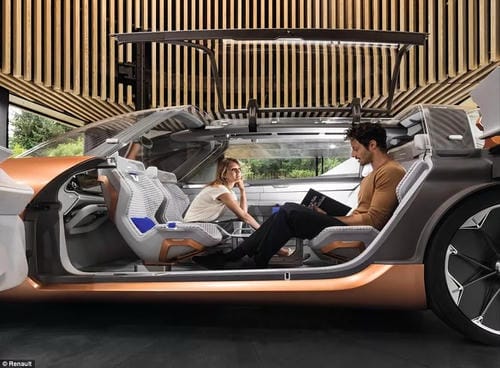
Automakers and designers have responded to these changing expectations by rethinking vehicle interiors and emphasizing features that support multifunctionality. The traditional dashboard and seating layout are being supplemented with flexible seating configurations, enhanced connectivity options, and thoughtfully designed storage solutions that accommodate activities such as remote working, relaxation, and extended travel. According to industry forecasts, vehicle interiors will increasingly attract attention as a key differentiator in consumer vehicle choice — with 71% of automotive executives expecting interior experience to become a primary selling point. Features like ample storage, flexible seating, and integrated connectivity not only answer the demand for work-friendly cabins but also support the lifestyle trend of using cars as personal sanctuaries. [4]

Beyond personal choice, societal shifts like urban congestion, housing cost pressures, and changing demographic patterns also contribute to the trend. In dense urban environments or in regions where living space is costly and communal, the car provides a mobile sanctuary that offers privacy and control — even if temporarily — outside of crowded homes or communal living arrangements. In such contexts, the automobile serves as a protected bubble where individuals can assert personal control over lighting, entertainment, temperature, and social interaction in ways that public spaces or shared accommodations do not allow. These factors underscore how broader socio-economic conditions can amplify the appeal of the vehicle as a multi-functional space.
Yet the rise of cars as second homes exists alongside contrasting mobility trends in society. While some embrace the multifunctional vehicle lifestyle, others advocate for reduced reliance on private cars through car-free movements and shared mobility solutions such as carsharing — innovations aimed at decreasing environmental impact and congestion. These divergent trends highlight a complex relationship between personal autonomy and collective mobility goals. Nevertheless, the current prevalence of vehicle use beyond transportation suggests a meaningful portion of society continues to value private vehicles as living and activity spaces, even as alternative mobility paradigms gain traction.
This evolution of the automobile from transportation tool to mobile sanctuary and second home — driven by lifestyle changes, generational shifts, and adaptive personal behaviors — reflects a deep reconfiguration of how people integrate vehicles into their daily lives. It signifies not just a new use case for cars but a broader transformation in how individuals think about personal space, autonomy, and flexibility in a world characterized by rapid technological, economic, and cultural shifts.
(This article is intended for informational and educational purposes only. Discussions regarding connected vehicles, autonomous driving, digital ecosystems, and automotive market trends are based on current industry developments and publicly available research. Technological capabilities, consumer adoption, and regulatory environments may evolve over time, and readers should not interpret this content as investment, legal, or professional automotive advice.)
FAQs
1. Why do younger generations feel more attached to their cars than older drivers?
Younger adults often face smaller living spaces, shared housing, and flexible work schedules, making cars valuable as private and adaptable environments for relaxation, work, or personal time.
2. How are automakers redesigning cars to support these new lifestyle trends?
Many automakers are focusing more on interior comfort, flexible seating, smart storage, connectivity features, and work-friendly cabin layouts to make vehicles feel more like livable spaces.
3. Could treating cars like “second homes” affect future urban planning?
Yes. As vehicles become multifunctional spaces, cities may need to rethink parking design, charging infrastructure, rest areas, and public policies related to mobile living and flexible work lifestyles.
Updated April 11, 2026
About the Author
Jordan Hale is a fictional writer and researcher specializing in automotive culture, mobility trends, and the evolving relationship between people and personal transportation. With a background in urban lifestyle analysis and connected mobility research, Jordan explores how changing work patterns, digital technology, and social behavior are transforming vehicles into multifunctional living and personal spaces.
Sources
[1]: https://dts.com/insights/from-rush-hour-to-refuge-redefining-the-role-of-cars-in-our-daily-lives
[2]: https://chicago.suntimes.com/2020/9/4/21419881/covid-19-changed-way-people-use-their-vehicles-cars-road-trips-date-night-hit-the-open-road-commute
[3]: https://www.insighttrendsworld.com/post/automotive-almost-a-third-of-gen-z-claim-their-car-is-their-second-home
[4]: https://www.insighttrendsworld.com/post/automotive-almost-a-third-of-gen-z-claim-their-car-is-their-second-home
References
https://autoads.co.za/the-car-as-a-social-space-marketing-the-modern-vehicle-for-millennial-and-gen-z-lifestyles
https://cleanfleetreport.co/post/from-dashboards-to-living-rooms-the-radical-transformation-of-automotive-interiors-in-the-digital-age
There’s plenty more to see—continue exploring our blog for expert advice, comparisons, and detailed car breakdowns.
Recommend:

Hidden Costs of Car Ownership That Impact Your Long-Term Budget
Why Your Next Car Is More Than a Machine?

How Summer Heat Waves Are Sapping Real-World EV Range?

The Impact of Financial Pressures on Car Ownership and the Trend Toward Longer Vehicle Lifespans