May 18, 2026
Key Highlights:
● Heat waves are causing real-world EV range losses, not just lab-based estimates.
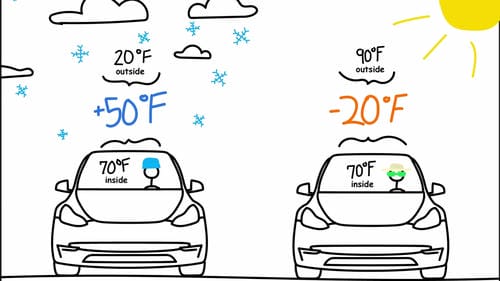
● High temperatures reduce battery efficiency and increase energy draw for cooling systems.
● Fast-charging speeds often slow down during extreme heat to protect battery longevity.
● Drivers in urban heat islands experience more pronounced range reductions.
Estimated Reading Time: 12 minutes┃Post by: Alex Trent
How Heat Waves Are Hitting EV Range in Real Cities
Electric vehicles (EVs) have often been praised for their consistency and predictability, especially when it comes to range estimates provided by manufacturers. Yet, many EV owners report experiencing unexpected range drops during the height of summer heat waves. Unlike the controlled environment of test labs, real-world conditions introduce variables—ambient temperatures, urban heat islands, and energy demands from cooling systems—that significantly affect battery performance.
A study conducted by the International Council on Clean Transportation (ICCT) in 2025 found that EVs operating in temperatures above 95°F (35°C) can experience a 20–30% reduction in effective range. In urban centers like Phoenix, Las Vegas, and Miami, drivers report even higher reductions during peak afternoon hours. Table 1 illustrates typical range loss for a mid-range EV under different temperature scenarios:

As seen in the table, the discrepancy between laboratory and real-world performance becomes particularly evident during heat waves. Battery chemistry is highly sensitive to temperature, and high heat not only slows down energy storage but also increases the demand for cabin air conditioning—further accelerating range depletion.
The Mechanics of Heat-Induced Range Loss
EV batteries rely on lithium-ion cells, which operate most efficiently within a narrow temperature range, typically 68–77°F (20–25°C). When temperatures rise, chemical reactions inside the battery accelerate, producing additional heat and triggering the vehicle’s battery management system to limit power output. This is a protective measure to avoid thermal runaway, but it comes at the cost of reduced range and slower charging speeds.
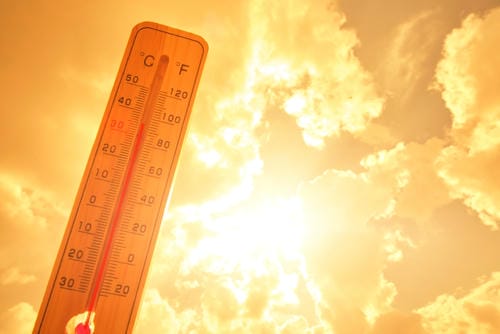
A real-life example comes from a Tesla Model 3 owner in Phoenix, who documented a week-long heat wave in June 2025. On a 300-mile EPA-rated trip, the car only managed 215 miles before the battery indicated “low range,” despite minimal aggressive driving. Charging at a Supercharger during peak temperatures was also noticeably slower, requiring an extra 20 minutes to achieve an 80% charge.
Energy consumption spikes because air conditioning becomes the vehicle's second-largest energy draw after propulsion. According to a 2024 study by the U.S. Department of Energy, using air conditioning in high-heat conditions can increase energy consumption by up to 30%, directly translating into reduced driving range. For city commuters who rely on short, frequent trips, the cumulative impact can be startling—drivers often underestimate the range lost to cooling needs in stop-and-go traffic.
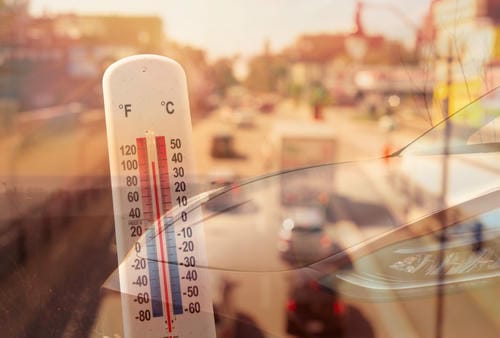
In addition to ambient heat, urban heat islands exacerbate the problem. Asphalt and concrete surfaces absorb heat during the day, raising street-level temperatures by 5–10°F compared to suburban or rural areas. EVs parked in these hotter zones can start their journey with already elevated battery temperatures, further reducing efficiency.
EVs Under Fire: Real-World Range Loss During Extreme Heat
Battery Chemistry Differences and Heat Sensitivity
Not all EV batteries respond to heat the same way. Most EVs use lithium-ion batteries, but variations in cathode chemistry—like NMC (Nickel Manganese Cobalt), LFP (Lithium Iron Phosphate), or NCA (Nickel Cobalt Aluminum)—affect thermal behavior:
NMC & NCA Batteries: Higher energy density but more sensitive to heat. Can lose range faster and require more aggressive thermal management.
LFP Batteries: More heat-tolerant and safer at high temperatures, but slightly lower energy density, meaning their nominal range is smaller.
So, during heat waves, a Tesla Model 3 (NCA) might experience more drastic range loss than a BYD Han (LFP), even under identical driving conditions. Real-world owners report that LFP-equipped vehicles maintain more predictable range, even in peak summer heat.
Charging Infrastructure Stress During Heat Waves
Charging stations themselves are not immune to high temperatures. Fast chargers—especially liquid-cooled DC chargers—can throttle output if ambient temperatures exceed safe operating limits (often 104°F/40°C).
Urban Chargers: Surface-mounted units in asphalt-heavy areas can see internal temperatures higher than the air temperature, slowing charging further.
Tesla Superchargers & Ionity: Some stations deliberately reduce peak current to protect both the battery and the charger hardware during heat waves.
A practical consequence: EV owners may find that a planned 30-minute charging session now takes 50 minutes during extreme heat, which can disrupt road trips.
Coping Strategies for EV Owners During Heat Waves
While extreme temperatures are unavoidable, several strategies can help mitigate the range loss EV owners experience in hot conditions. Preconditioning the battery and cabin while the vehicle is still plugged in is one effective approach. By using electricity from the grid instead of the battery, drivers can bring the battery and interior to an optimal temperature before starting a trip.
Route planning also plays a significant role. Urban heat zones should be considered when mapping out trips, and charging stops may need to be scheduled more frequently than usual. For EVs with thermal management systems, activating “range mode” or reducing maximum charge rates during heat waves can prolong battery health and stabilize performance.
A 2026 survey of 2,000 EV owners in California revealed that drivers who preconditioned their vehicles and monitored route temperatures lost an average of only 12% of their expected range, compared to 28% for those who did not adjust driving behavior. This real-world data reinforces that understanding and adapting to heat effects is crucial for everyday EV use.
(This article is intended for informational purposes only. Vehicle performance varies by model, battery age, driving habits, and environmental conditions. Always consult your vehicle’s manufacturer and follow safety guidelines when operating in extreme temperatures.)
FQAs
Q1: Do all EVs lose range the same way in heat?
No, range loss varies depending on battery chemistry, cooling systems, and vehicle design. High-performance EVs with robust thermal management are less affected.
Q2: Can heat permanently damage my EV battery?
Short-term exposure typically does not cause permanent damage, but repeated or prolonged exposure to high temperatures without proper cooling can accelerate battery degradation over time.
Q3: Does charging slower in heat mean my battery is broken?
Not at all. Slower charging during heat waves is a protective mechanism to prevent overheating, ensuring battery longevity.
About Author
Alex Trent is an automotive journalist specializing in electric mobility and sustainable transportation. With over a decade of experience testing EVs across North America, Alex brings practical insights and real-world perspectives to issues affecting everyday drivers.
References
[1] International Council on Clean Transportation. (2025). Real-world EV range under extreme temperatures.
[2] U.S. Department of Energy. (2024). Impact of climate on electric vehicle energy consumption.
Explore more insightful EV topics and stay updated on real-world electric vehicle performance right here on our blog!
Recommend:
Why Small SUVs Become Costlier Than Sedans After 60,000 Miles: A Real-World Maintenance Breakdown

Cars Are Now Personal Living Spaces Where People Relax, Work, and Live
Why Drivers Choose Long-Term Ownership Over Constant Switching
Small Maintenance Tasks Significantly Preserve Vehicle Value Over Time