
Mar 20, 2026
Key Highlights:
● Depreciation is the largest and most often overlooked cost of new car ownership, with vehicles losing 20–30% of value in the first year alone.
● Financing, insurance, fuel, maintenance, registration, and taxes add substantially to total ownership costs beyond the sticker price.
● Total five-year ownership costs can be 50–80% higher than the purchase price, meaning a $30,000 car may cost $45,000–$55,000 in real terms.
● Tools and calculators that estimate total cost of ownership provide a clearer financial picture, supporting smarter purchase and financing strategies.
Estimated Reading Time: 7 minutes | Post by: Jasper Coldwell
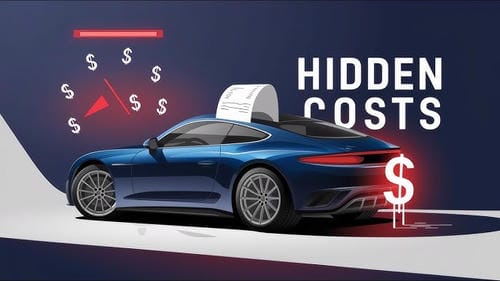
When buyers walk onto a dealership lot, their attention usually gravitates toward the sticker price and monthly payment. However, this visible cost is only the beginning. One of the most significant and often overlooked expenses in buying a new vehicle is depreciation—the automatic and immediate loss in a car’s market value the moment it leaves the lot. According to multiple ownership cost analyses, new vehicles can lose between 20 and 30 percent of their value within the first year of ownership and up to roughly 50 to 60 percent over five years. In practical dollars, if you purchase a $30,000 new car, you may see the vehicle’s value drop by $6,000 to $9,000 just in year one, with additional losses accumulating each subsequent year. This depreciation alone often accounts for the largest portion of total ownership costs, far exceeding what most buyers anticipate at the point of sale.
The Immediate Drop: Depreciation and Financial Reality
From an accounting perspective, depreciation is not a cash outlay the buyer writes a check for each year, but it represents real economic cost because it reduces your car’s resale value. The decline in value is influenced by model demand, brand reputation, mileage, and even macroeconomic factors like interest rates and inflation. A car that depreciates faster will cost the owner more in “lost equity,” meaning more of their initial outlay is unrecoverable at the time of resale. Even when consumers plan to hold onto a vehicle for many years, depreciation remains a core factor in the true cost of ownership because it diminishes the asset’s eventual trade-in or resale worth.

In addition to depreciation, financing charges can add considerable cost. Loan interest over a typical five-year term can easily amount to several thousand dollars depending on the down payment, APR, and loan term. While this cost is more familiar to many buyers than depreciation, it still tends to be underestimated in early budgeting. Combined with depreciation, the financial burden of a new car becomes substantially larger than the headline price suggests, and it underscores the importance of evaluating total ownership costs before making a purchasing decision.
Recurring Ownership Costs: Insurance, Maintenance, and Operation
Beyond depreciation and financing, ongoing costs of owning a new car accumulate steadily over the life of the vehicle. Insurance premiums, while variable based on driver profile and region, typically run in the thousands of dollars annually. New cars, particularly higher-value models, often require comprehensive and collision coverage that commands higher premiums compared with older or used vehicles. The type of car you buy—SUV, luxury sedan, or economy model—also influences how much you will pay for insurance. [1]
Fuel and maintenance represent two additional dimensions of cost that are frequently underestimated at the point of purchase. While a new vehicle may benefit from better fuel efficiency compared with older models, fuel costs depend on usage patterns, price fluctuations, and drivetrain type. For example, a typical driver covering 15,000 miles annually might spend well over $1,500 per year on fuel alone, with higher costs for larger vehicles or lower efficiency classes. Meanwhile, routine maintenance—oil changes, tire rotations, brake services—may be modest in the first few years under warranty, but costs increase as the car ages and warranty coverage expires. Larger repairs, especially on modern cars with advanced technology and complex components, can also be expensive and unpredictable.
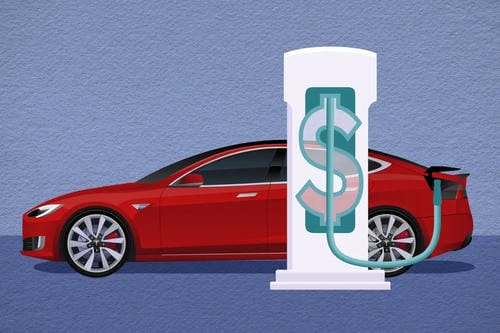
Routine ownership costs extend further to include registration, licensing fees, and state taxes that are often proportionate to a vehicle’s value. New cars typically incur higher registration fees and property taxes than used vehicles due to their higher assessed values. Over years of ownership, these charges add up and contribute to the total financial burden of a new car beyond the initial purchase. [2]
A comprehensive view of vehicle costs also highlights the reality that many of these expenses continue even when depreciation declines. Although some costs like fuel and maintenance are variable and use-dependent, insurance and registration are essentially fixed annual obligations so long as you own the car. Therefore, a driver who focuses solely on sticker price without accounting for these recurring costs risks underestimating the total cost of carrying that new vehicle.
Incorporating True Ownership Costs Into Buying Decisions
The aggregate effect of depreciation, financing, insurance, fuel, maintenance, and fees reveals why many shoppers are surprised by the real price of owning a new car. Tools and calculators provided by automotive research sources and industry guides estimate that the total cost of owning and operating a new vehicle for five years can reach 50 to 80 percent more than the sticker price alone. This means a vehicle that costs $30,000 at purchase may actually cost a buyer $45,000 to $55,000 or more over five years once all expenses are accounted for. [3]

Recognizing the disparity between the purchase price and the true cost encourages more informed decisions. For some buyers, this may reaffirm the value of buying a slightly used car that has already incurred the steepest part of depreciation. For others who prefer new vehicles for warranty coverage or specific features, understanding the full financial picture can influence negotiation strategy, financing choices, and long-term planning. Tools from reputable automotive pricing services help compare these cumulative costs across models and ownership scenarios so that buyers can align their financial expectations with reality. [4]
Ultimately, prospective car buyers benefit from evaluating not just what they will pay today, but how much they will spend over the life of the vehicle. Looking beyond the sticker price to the broader cost of ownership—factoring depreciation, operational expenses, and recurring fees—offers a grounded perspective that supports better financial decisions in the marketplace.
(The content provided is for general informational purposes. Individual results vary depending on vehicle type, usage, local costs, and market conditions.)
Updated May 19, 2026
About the Author
Jasper Coldwell is a fictional automotive analyst specializing in total cost of vehicle ownership. He helps readers understand depreciation, financing, maintenance, and recurring expenses to make data-driven, long-term car-buying decisions.
Sources
[1]: https://www.finddealercars.com/blogs/hidden-car-buying-costs-complete-breakdown
[2]: https://www.commercebank.com/personal/ideas-and-tips/2025/the-real-cost-of-owning-a-car
[3]: https://carvetka.com/tools/true-cost-ownership-calculator
[4]: https://www.kbb.com/new-cars/total-cost-of-ownership
Reference
https://financialtoolset.com/tools/transportation/car-ownership-cost
Recommend:
Why Drivers Choose Long-Term Ownership Over Constant Switching

Why Your Next Car Is More Than a Machine?
A Practical Guide to Knowing When It’s Time for a Family Car Upgrade
Small Maintenance Tasks Significantly Preserve Vehicle Value Over Time