
Feb 12, 2026
Key Highlights:
● Transitioning from a commuter car to a family vehicle reflects changing lifestyle and transportation needs.
● Limited passenger and cargo space are often the first signs that a larger vehicle may be necessary.
● Modern family vehicles offer advanced safety technologies that improve protection and driving confidence.
● Financial considerations such as depreciation, insurance, maintenance, and timing play a major role in the upgrade decision.
● Upgrading is not always urgent, and some families can extend the usefulness of smaller vehicles with practical adaptations.
Estimated Reading Time: 8 minutes | Post by Lauren Mitchell
For many drivers, the first car is a commuter vehicle: compact, fuel-efficient, easy to park, and ideal for solo travel or short drives to work. These vehicles serve well in the early stages of adult life—new jobs, limited cargo, and sporadic weekend travel. However, as life evolves, so too do transportation needs. A family car represents more than just a shift in size; it reflects changing priorities around safety, comfort, space, cost of ownership, and long-term practicality. This transition is not merely aesthetic or aspirational—it is a lifecycle decision that deserves careful evaluation.
The Shift from Commuter to Family Vehicle
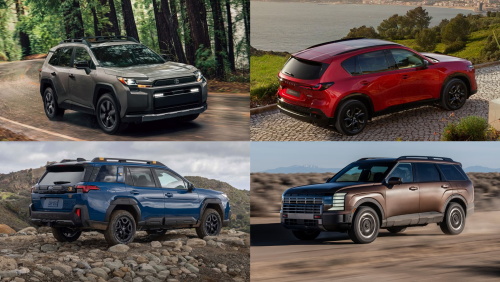
One of the most tangible signs that your commuter car may no longer suit your needs is the sheer lack of space. Carrying multiple passengers, car seats, strollers, groceries, sports gear, and luggage regularly can turn even short trips into logistical challenges. When trunk and cabin space starts to feel like a constant game of Tetris, upgrading to a vehicle designed with families in mind—such as a midsize SUV, minivan, or crossover with configurable seating—becomes not just convenient but necessary. These vehicles often offer greater cargo volume, flexible seating arrangements, and features that make everyday travel significantly easier.
But the need for a larger vehicle often begins even earlier in the lifecycle. For example, adding a car seat for a newborn, accommodating growing children, or planning for future passengers like grandparents or carpool rides can quickly reveal the limitations of a small vehicle. Families that frequently engage in long journeys—whether holiday travel or regular outings—also encounter strain on space and comfort that a small commuter car was never designed to handle. A larger vehicle can transform these experiences, providing room to stretch legs and accommodate luggage without compromising on passenger comfort. For many, this shift occurs naturally as everyday activities increasingly involve items and occupants that exceed what a commuter car was built to manage. [1]

Safety is perhaps the most compelling reason behind the transition to a family vehicle. Modern family-oriented cars come equipped with advanced safety systems that simply do not exist in older or smaller commuter models. Technologies such as blind-spot monitoring, automatic emergency braking, lane-keeping assist, and adaptive cruise control significantly enhance occupant protection. These systems are designed to prevent accidents or reduce the severity of collisions, especially in high-traffic environments or on long trips—scenarios common for families. Upgrading to a vehicle with up-to-date safety features can thus provide peace of mind that goes beyond mere convenience.
Additionally, as cars age, they inevitably present more mechanical issues. Frequent trips to the mechanic, rising repair costs, and increasing likelihood of breakdowns can turn ownership from a convenience into a burden. At a certain point, the cost of repairs and the inconvenience of repeated service visits outweigh the value of holding onto an older vehicle. This reality often accelerates the decision to upgrade, especially when a newer vehicle can offer better reliability, warranty protection, and lower long-term maintenance costs.
Evaluating Timing and Financial Considerations
Understanding when to upgrade is as crucial as understanding why. Unlike a routine purchase, transitioning from a commuter car to a family vehicle is intertwined with major life milestones and financial trade-offs. Timing this transition effectively requires a realistic assessment of both functional needs and economic implications.

A key factor in timing the upgrade is recognizing shifts in family dynamics. Whether it’s anticipation of a new child, the arrival of a second car seat, participation in activities that require frequent transport of gear, or simply the desire for more comfortable seating for longer trips, these triggers represent practical indicators that your current car may no longer align with life’s realities. When these changes become frequent—such as noticing cramped seating on multiple occasions or struggling to fit essential items into the trunk—families typically begin serious consideration of a larger vehicle.
Financial planning plays a pivotal role as well. Vehicles depreciate over time, with new cars losing a significant portion of their value within the first few years. Understanding depreciation helps owners decide when holding onto an older car stops making economic sense compared to trading it in for a newer model. Conversely, if your current commuter car retains satisfactory performance and reliability, it may make financial sense to delay upgrading until repair costs or safety concerns justify the investment. This sort of cost-benefit analysis should include not just the purchase price, but insurance, fuel economy, maintenance, and potential resale value. [2]
Insurance costs also factor into the decision. Older cars without modern safety features often cost more to insure because of lower safety ratings and higher perceived risk. By upgrading to a vehicle equipped with advanced safety technology and stronger crash ratings, many families find they can reduce their insurance premiums even as they enhance overall safety. This potential cost savings can soften the financial impact of purchasing a larger vehicle.

Another consideration is timing relative to market and lifestyle conditions. For example, aligning a purchase with seasonal sales, model year rollovers, or favorable financing can yield cost savings. It is also prudent to evaluate your lifestyle forecast: if you anticipate stable family growth or planned travel that demands more space, proactively purchasing while your financial situation is strong can prevent rushed decisions later. [3]
Finally, while upgrading to a larger, family-oriented vehicle offers numerous benefits, it is not always immediately necessary for every family scenario. Some families find that a reliable commuter car supplemented with thoughtful organization and selective upgrades—like roof racks or cargo carriers—can suffice for a time. In other cases, multiple smaller vehicles or alternative transportation strategies may meet needs without a full upgrade. Ultimately, the decision rests on a combination of tangible requirements and individual financial circumstances rather than social pressure or generalized norms.
(This article is intended for informational and educational purposes only. Discussions regarding vehicle ownership, family transportation needs, automotive safety, and financial planning are based on general industry trends and publicly available information. Individual vehicle needs, financial situations, insurance costs, and market conditions may vary significantly. Readers should conduct independent research and consult qualified financial or automotive professionals before making purchasing decisions.)
FAQs
1. What types of vehicles are most commonly chosen as family cars?
Many families choose midsize SUVs, crossovers, minivans, or larger sedans because they offer more passenger space, cargo flexibility, and family-focused safety features than compact commuter cars.
2. How can a family test whether their current car still meets their needs?
A practical way is to evaluate everyday situations—such as fitting car seats, groceries, luggage, or sports equipment—and consider whether passengers consistently feel cramped or uncomfortable during regular trips.
3. Does upgrading to a family vehicle always mean higher fuel and ownership costs?
Not necessarily. While larger vehicles may consume more fuel, newer models can offset costs through improved efficiency, lower repair expenses, better warranties, and modern safety features that may reduce insurance premiums.
Updated April 14, 2026
About the Author
Lauren Mitchell is a fictional automotive lifestyle journalist specializing in family transportation trends, practical vehicle ownership, and consumer car-buying behavior. With a background in mobility research and automotive market analysis, she focuses on helping readers understand how changing life stages influence vehicle needs, safety priorities, and long-term ownership decisions.
Sources
[1]: https://vehq.com/upgrade-your-family-vehicle
[2]: https://www.jefferson-bank.com/learning-center/what-to-consider-when-buying-your-family-car
[3]: https://www.ufcu.org/resources/articles/detail/articles/2024/10/21/is-it-time-to-upgrade-to-a-bigger-vehicle
References
https://theleader.info/2025/01/08/signs-its-time-to-buy-a-larger-car/
https://babyandcar.com.au/the-hub/10-reasons-why-it-might-be-time-to-upgrade-your-family-car
Don’t stop here; your next useful tip or car buying insight might be just one article away in our growing library of content.
Recommend:

The Opportunity Cost of Owning a Car and What You Could Have Bought Instead
How Shifting Economics Could Reshape Car Pricing and Ownership by 2030

Why Drivers Are Choosing to Hold or Upgrade Their Cars?
The True Cost of Extended Car Warranties: Is It a Smart Investment?