
Feb 22, 2026
Key Highlights:
● Every dollar spent on a car carries an opportunity cost because that money cannot be used elsewhere.
● Purchasing an expensive vehicle may reduce long-term financial flexibility and investment growth potential.
● Investing the money used for a new car purchase could potentially generate significant returns over time.
● Ongoing ownership expenses such as fuel, insurance, and maintenance also reduce wealth-building capacity.
● Evaluating transportation decisions through the lens of opportunity cost can lead to more financially informed choices.
Estimated Reading Time: 8 minutes | Post by Nathan Mercer
What “Opportunity Cost” Really Means When You Buy a Car
Every financial choice you make carries an opportunity cost, defined in economics as the value of the best alternative you forgo when making a decision—in other words, what you give up to choose one option over another. It’s a core concept in microeconomics and personal finance that applies directly to car ownership decisions.
When you decide to spend tens of thousands of dollars on a vehicle, you’re not just paying for the transportation itself—you’re also giving up the potential benefits that same money could generate elsewhere. The cash you use for a car could have been invested, spent on experiences, or used to reduce expensive debt. That forgone potential benefit is the true opportunity cost of owning a car.
Cars are among the most expensive durable goods that households buy, second only to housing, meaning they consume a large chunk of personal wealth and savings. When that capital is tied up in a depreciating asset, your financial flexibility shrinks and so does your ability to pursue alternatives that could grow your net worth. [1]
For many people, especially in the U.S. where car ownership is often treated as a necessity, this reality is easy to overlook. But once you quantify just how much money is being spent or—and more importantly—could have been earned, you can start evaluating transportation choices with the same rigor as any other investment decision.
Dollars and Sense: What Your Car Money Could Have Bought Instead
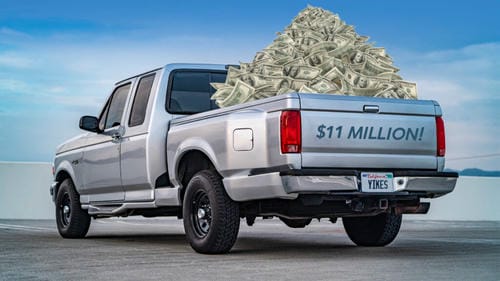
A typical new car purchase in the U.S. today can run you around $48,000 before factoring in taxes, fees, insurance, and financing costs—and that’s before ongoing expenses like fuel and maintenance. That’s a significant chunk of capital that could otherwise be deployed in other ways. If, instead of buying the car, you invested all of that upfront cost in a diversified portfolio earning a historical stock market average of roughly 7–10% annually, your investment could grow substantially over time.
A simple illustration: If you invested a lump sum of $48,000 at a modest 7% annual return, over five years that investment could grow to about $67,300. That represents tens of thousands of dollars in potential gains you forgo by locking money into a depreciating vehicle.
Now scale that over longer periods, and the opportunity cost becomes even more dramatic. Some financial analyses suggest that if someone opts for a significantly lower-cost used car and invests the difference instead, they might accumulate hundreds of thousands of dollars more over decades—sometimes even exceeding $1 million when viewed across long time horizons like 40 years. [2]
And it’s not just what you could earn. There are alternatives that save money in other ways: using public transportation, renting vehicles when needed, ridesharing, or opting for a cheaper used vehicle. Each of these choices redirects car-related capital to other uses that, over time, can add substantial value to your financial picture.
Beyond pure investments, opportunity costs extend into other life choices too. Imagine how differently you could allocate $48,000 or more if you used it for travel, professional development, education, or even starting a business. These are real alternatives that offer utility and growth potential, and they’re all alternatives you trade away when you allocate that money to car ownership. [3]
Even the recurring costs associated with cars—the insurance premiums, fuel bills, repairs, parking fees, and taxes—contribute to this opportunity cost because that’s money that could have instead contributed to savings or investment growth. Cars don’t just depreciate in value; they also create ongoing expenses that erode your capacity to build wealth.

Some personal finance analyses emphasize that even average annual costs of car ownership can exceed $8,000–$12,000 when all factors are considered, and this figure eats into your ability to invest for retirement or other goals.
What you could buy with that same money changes depending on your financial goals. Redirecting car-related funds toward a retirement account, education savings, a home down payment, or a diversified investment portfolio can equip you with far greater financial options down the road—options that compound, appreciate, and give you more economic freedom than a depreciating vehicle ever will.
(This article is intended for informational and educational purposes only and should not be considered financial, investment, or tax advice. Investment returns, vehicle costs, and financial outcomes vary depending on market conditions, personal circumstances, geographic location, and economic factors. Any investment growth examples referenced are hypothetical and do not guarantee future performance. Readers should consult qualified financial professionals before making major financial or transportation-related decisions.)
Updated April 29, 2026
About the Author
Nathan Mercer is a fictional analyst specializing in consumer finance, transportation economics, and long-term wealth behavior. His work focuses on how everyday spending decisions—including vehicle ownership—affect financial flexibility, investment potential, and household wealth accumulation over time.
Sources
[1]: https://www.bls.gov/opub/mlr/2024/article/a-consumption-measure-for-automobiles.htm
[2]: https://www.wisebread.com/could-you-put-away-a-million-dollars-by-driving-a-used-car
[3]: https://bluehighways.net/opportunity-cost-of-buying-a-car
Enjoyed this read? You might also find our other posts on car trends, maintenance tips, and buying guides just as useful.
Recommend:

Affordability Pressures Are Significantly Reshaping the Way Consumers Approach Car Buying Decisions

What Your Commute Reveals About Your Driving Needs?
The Evolving Decision of When to Replace Your Car Amid Rising Longevity and Economic Pressures
Cars Function as Extensions of Our Digital and Personal Lives