
Feb 13, 2026
Key Highlights:
● Car ownership and daily vehicle use vary significantly across regions due to geography, infrastructure, and culture.
● North America tends to prioritize larger vehicles and personal mobility, while European cities often favor multimodal transportation.
● Asian markets reflect a mix of compact practicality, rapid urbanization, and growing interest in electrified vehicles.
● Climate, urban density, and cultural values strongly influence vehicle design preferences and consumer behavior.
● Future mobility trends are increasingly shaped by sustainability policies, electrification, and changing urban transportation strategies.

Estimated Reading Time: 9 minutes | Post by Adrian Keller
Automobiles aren’t just machines — they’re reflections of the places we live, work, and play. From the wide highways of North America to the compact streets of European cities and the rapidly urbanizing centers of Asia, the role cars play in everyday life shifts with geography, culture, and infrastructure. In North America, cars are often indispensable for daily mobility, especially in sprawling suburban and rural areas where public transit options are limited. According to a global mobility study, the vast majority of people in countries like the United States, Germany, France, China, and Japan rely on personal vehicles for everyday errands and tasks, demonstrating how car ownership remains central to daily life in many parts of the world. About 80 % of car owners in these countries say they would be reluctant to give up their vehicle because it guarantees flexibility and independence for essential travel. Nearly 90 % emphasize that a personal car is crucial for shopping, errands, and transportation needs where alternatives are sparse. [1]
But this isn’t a universal model. Urban Europeans often adopt a more multimodal approach to getting around. In many European cities, car use declines as population density increases, with residents opting more frequently for public transportation, walking, or cycling — particularly where robust transit networks exist. For example, in larger European cities, car usage rates fall substantially compared with smaller towns, highlighting how urban structure and cultural attitudes toward sustainability influence the practical necessity of a car.
In parts of Asia and emerging economies, rapid urban growth and rising incomes are reshaping automotive needs and ownership. In some countries, expanding middle classes are buying cars at unprecedented rates, while others remain constrained by economic and infrastructural factors that make vehicle ownership less viable. Car ownership statistics vary widely: developed countries often have high ownership rates (e.g., around 80 % or more in the U.S. and parts of Europe), whereas developing regions may show much lower levels due to income constraints and alternative mobility options. [2]

Across continents, this diversity demonstrates a key point: cars don’t serve the same function everywhere. In some contexts they’re a daily necessity; in others, they’re one part of a broader transportation mix shaped by public transit, walking, and cultural values around sustainability and urban living.
Cultural Lenses on Vehicle Preferences and Design
While everyday utility sets the baseline for car needs, cultural values and lifestyles shape preferences for the type, design, and functionality of vehicles in each region. In North America, the cultural emphasis on freedom, adventure, and utility has long driven a preference for larger vehicles such as pickup trucks and SUVs. These vehicles aren’t just practical — with roomy interiors and towing capabilities they symbolize a lifestyle tied to road trips, outdoor activities, and the independence of long-distance travel. In contrast, European consumers tend to favor smaller, fuel-efficient cars that align with denser cities, higher fuel costs, and a cultural emphasis on environmental sustainability. [3]
Asian markets offer their own distinct patterns. In Japan, for instance, compact vehicles like kei cars dominate because they are well-suited to crowded streets and reflect social values favoring efficiency and practical use of limited space. Meanwhile, some parts of China and other rapidly developing Asian economies show increasing adoption of a diverse range of vehicles, from compact city cars to larger family vehicles and electrified models, driven by both rising incomes and shifting cultural aspirations toward status and modernity.
Climate and geography also shape car design and functionality. In regions that experience severe winters — such as Scandinavia — features like all-wheel drive, heated components, and robust insulation are standard because they address real environmental challenges. By contrast, vehicles in hotter climates are often built with powerful air conditioning systems and UV-resistant interiors to ensure comfort and durability under high temperatures. [4]

These regional variations reveal that cars are more than tools for transportation — they are expressions of cultural norms and practical responses to local conditions. Whether reflecting status, environmental values, or lifestyle rhythms, the vehicles people choose tell a larger story about how communities envision mobility.
Consumption Patterns and Future Trends in Vehicle Needs
As global trends evolve, so too do vehicle needs and preferences across continents. Powertrain preferences vary significantly by region, influenced by both consumers’ environmental concerns and local infrastructure. In parts of Asia and Europe, there is a notable appetite for hybrid and electric vehicles — a trend propelled by government incentives, environmental policies, and growing awareness of sustainability issues. In contrast, in North America and certain emerging markets, traditional gasoline engines remain prevalent, though even here the shift toward electrified options is gaining momentum as technology improves and charging networks expand.
Different markets also exhibit diverse patterns in how people choose to acquire vehicles. For instance, owning a new car is more common in China than in some European nations, where leasing and pre-owned purchases are relatively popular. These decisions reflect not only economic conditions but also cultural attitudes toward ownership, status, and long-term mobility planning.
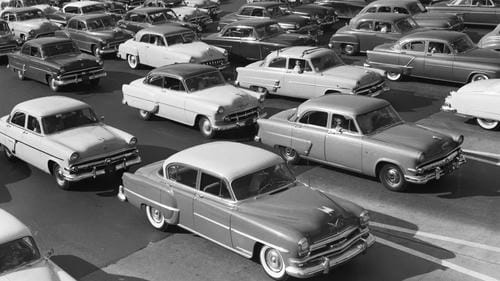
Beyond ownership and powertrain trends, transportation planning and urban policy influence vehicle needs on a broader scale. Movements like the car-free city concept and green transport hierarchies are gaining traction in Europe, Asia, and Africa, aiming to reduce dependency on private cars in dense urban settings by prioritizing pedestrians, cyclists, and public transit. These shifts signal deeper cultural and policy priorities that reshape how people think about mobility and the role of cars in daily life.
Across continents, the future of mobility is not monolithic. Instead, it reflects a tapestry of regional values, economic capacities, environmental strategies, and lifestyle choices. As cultural attitudes evolve and technologies advance, the ways in which cars fit into people’s lives will continue to transform, providing a lens through which to understand broader societal shifts in the 21st century.
(This article is intended for informational and educational purposes only. Discussions regarding global mobility trends, vehicle ownership, transportation culture, and automotive market behavior are based on publicly available studies, industry reports, and general socio-economic observations. Regional transportation systems, consumer preferences, and policy developments may evolve over time and vary significantly between countries and cities. This content should not be interpreted as financial, legal, or transportation policy advice.)
Updated April 16, 2026
About the Author
Adrian Keller is a fictional writer and researcher specializing in international transportation trends, automotive consumer behavior, and cultural perspectives on mobility. With experience analyzing how geography, infrastructure, and societal values influence vehicle design and ownership patterns, Adrian focuses on the evolving relationship between automobiles and everyday life across different regions of the world.
Sources
[1]: https://www.continental.com/en/press/studies-publications/continental-mobility-studies/mobility-study-2024/mobility-in-everyday-life
[2]: https://www.linkedin.com/posts/vipin-singh-6ab81b251_car-usage-of-households-that-own-a-car-activity-7302350520822706176-IYsk
[3]: https://www.btooz.com/article/content/odyvbo
[4]: https://www.diversenexus.com/cars/cultural-differences-in-global-vehicle-design
Take a few more minutes to explore related posts and expand your understanding of vehicles, maintenance, and driving efficiency.
Recommend:

Hidden Costs of Car Ownership That Impact Your Long-Term Budget

Your Step-by-Step Roadmap to Avoid Buyer’s Remorse

The Rise of Extended Car Ownership and What’s Behind It

The Impact of Financial Pressures on Car Ownership and the Trend Toward Longer Vehicle Lifespans