
Feb 30, 2026
Key Highlights:
● Rising new car prices and financing costs are prompting drivers to keep vehicles longer, with the average U.S. car now over 12 years old.
● Modern cars are more durable, often lasting 200,000+ miles, which reduces the financial urgency to replace them.
● Extended ownership lowers total lifetime costs by avoiding repeated depreciation and new loan cycles.
● Emotional attachment, satisfaction with current vehicles, and market uncertainties reinforce longer retention.
● Longer ownership cycles impact the automotive industry, secondary markets, and sustainability goals by reducing turnover and vehicle production demand.
Estimated Reading Time: 9 minutes | Post by: Declan Mercer
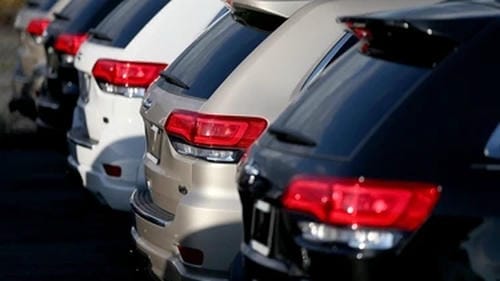
Over the last decade, car ownership patterns in the United States and other markets have shifted dramatically. Drivers aren’t trading in their vehicles as quickly as they once did — instead, they’re keeping them substantially longer, driven in large part by a convergence of economic pressures and changing value perceptions. Rising vehicle costs are a core factor. New car prices have climbed sharply, with average transaction prices for new models surpassing historical norms and approaching $48,000 or more in recent years — levels that make new purchases financially strenuous for many households. [1]
Rising Costs, High Prices, and Ownership Economics
This cost dynamic has a cascade effect on consumer behavior. When vehicles are expensive to begin with, and financing them often entails long loan terms and elevated interest expenses, many drivers opt to maximize the mileage and years they get out of the cars they already own. Long loan durations — sometimes stretching to seven years or beyond — may lower monthly payments but increase total borrowing costs, and they can discourage frequent turnover.
Recent surveys show that a significant portion of drivers — in some studies 57% or more — cite rising costs as a principal reason for holding onto their cars longer. These costs aren’t limited to sticker price and financing: insurance, fuel, and maintenance expenses have also swelled, making incremental upgrades or trade-ins feel less attractive. Moreover, economic uncertainties, elevated cost of living pressures, and interest rate environments that remain high relative to historical lows further dampen demand for new vehicles. [2]
In the aggregate, these factors have contributed to a significant rise in ownership duration. Data from automotive research firms indicate that American drivers now keep their cars for roughly eight years on average, and the average age of vehicles on the road has edged past 12 years, a record high. This trend reflects the interplay of affordability restraints and consumers’ rational responses to cost structures in the automotive market.
Durability, Value, and Shifting Ownership Mindsets

Rising costs tell only part of the story. Another critical reason drivers are holding onto vehicles longer is that modern cars simply last longer. Advances in manufacturing, materials science, and engineering have dramatically improved the reliability and durability of contemporary vehicles. Engines, transmissions, and other key systems now commonly exceed past lifespans, with routine maintenance allowing many cars to traverse 200,000 miles or more without major failures.
Longevity isn’t just a matter of mechanical endurance — it influences the value calculus for owners. As depreciation slows after the steep early years, keeping a vehicle past its initial ownership cycle can represent higher residual value retention. Owners who have paid off their loans and insurance on older cars often find the incremental cost of continuing to drive them is significantly lower than taking on new debt or absorbing another round of depreciation.
Beyond economics, many drivers express satisfaction with their current vehicles, having reached comfort with the performance, space, or utility they provide. Surveys in several regions indicate that a large majority of motorists plan to keep their cars longer than in the past, not purely out of necessity but also because their current vehicles meet their needs and expectations. [3]
There are additional, less quantitative factors at play as well. Emotional attachment and personal history with a vehicle can influence the decision to retain it longer — drivers form bonds with their cars that go beyond simple transportation. While harder to quantify, such sentiments reinforce the economic decision to delay upgrading or replacing a vehicle.
Finally, broader market context matters. Supply chain constraints in the wake of the pandemic led to new or specific vehicle shortages, tightening inventories and making shopping for new cars more complex and less predictable. Although some supply issues have eased, the legacy of constrained production — coupled with sustained high demand — has kept prices elevated and dissuaded rapid turnover.
The Bigger Picture: What Extended Retention Means for Drivers and the Auto Industry
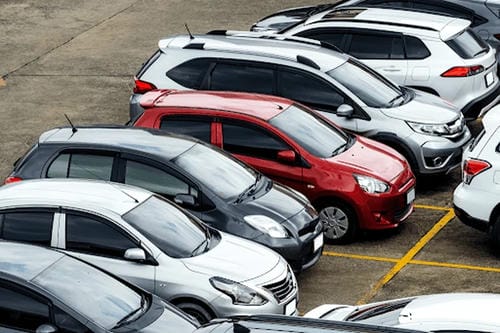
The trend toward extended car retention has wide implications for both consumers and the automotive ecosystem. For owners, longer ownership cycles can translate into tangible financial benefits — lower lifetime costs, reduced frequency of financing, and a more stable period of ownership. At the same time, extended retention increases demand for aftermarket services and parts, as vehicles accumulate more miles and years on the road. [4]
From a manufacturing and sales standpoint, prolonged ownership can compress new vehicle sales growth, altering forecasting and inventory planning across dealerships and OEMs (original equipment manufacturers). Vehicles that remain functional and reliable for longer reduce the urgency of replacement cycles that historically kept sales volume high. The industry’s traditional reliance on regular turnover — fueling profit through new models and upgrades — faces structural pressure when consumers postpone purchases.
Consumer preferences and segmentation also shift as ownership durations extend. Younger and older owners may approach vehicle decisions differently, often influenced by where they are in life and what mobility needs they prioritize. As longevity in ownership becomes normalized, secondary markets and used car valuations may grow in importance, shaping a parallel ecosystem of vehicles that live longer lives on the road.
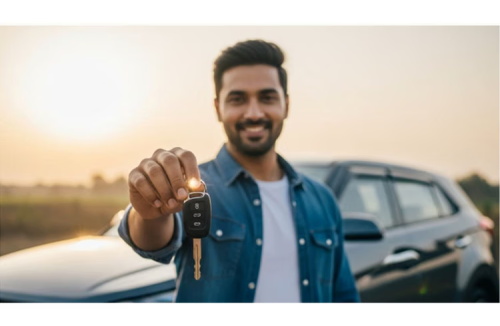
Environmental and sustainability considerations also factor into this equation. Extending a vehicle’s useful lifespan reduces the frequency of manufacturing and disposal — processes that generate substantial carbon emissions and resource consumption. As a result, retaining a car longer can align with broader environmental goals, assuming that older vehicles remain operationally efficient and reasonably clean.
Extended retention also interacts with slower adoption of emerging technologies, particularly electric vehicles (EVs). While EVs are gaining traction, some drivers hesitate to transition due to charging infrastructure concerns, resale value volatility, or uncertainty about long-term battery performance. In this context, many drivers prefer the known quantity of their current vehicles, especially when those cars continue to function reliably and cost-effectively relative to uncertain new technologies.
In summary, extended car ownership is not the result of a single force but a mosaic of economic pressures, value assessments, enhanced durability, and evolving consumer mindsets. As cars become more reliable and ownership costs continue to shape purchasing decisions, the trend toward longer retention appears set to persist — transforming the automotive landscape for drivers and industry alike.
(This article provides general insights based on aggregated market data and studies. Vehicle longevity, costs, and ownership patterns vary widely by make, model, region, and individual circumstances. Readers should evaluate their own vehicles and financial situations or consult qualified advisors when making ownership decisions.)
FAQs
1. How does keeping a car longer affect its resale value?
Older cars may retain less market value over time, but slower depreciation after the first few years can make long-term ownership financially advantageous.
2. Do longer ownership periods mean more maintenance headaches?
Generally, cars today are more durable, so routine maintenance is manageable, though older vehicles may require more attention than newer ones.
3. How does extended car ownership impact the environment?
Using a car longer reduces manufacturing demand and waste, potentially lowering carbon emissions compared with frequently buying new vehicles.
Updated May 13, 2026
About the Author
Declan Mercer is a fictional automotive analyst who explores trends in vehicle ownership, cost management, and consumer behavior. His work focuses on understanding why drivers retain cars longer, the financial and psychological factors involved, and the implications for the broader automotive market.
Sources
[1]: https://www.endurancewarranty.com/learning-center/news/americans-keeping-cars-longer-what-that-means-for-car-warranties
[2]: https://www.motortradenews.com/dealer-insights/cost-concerns-cause-drivers-to-delay-car-replacement-tempcover-finds
[3]: https://www.djsresearch.co.uk/AutomotiveMarketResearchInsightsAndFindings/article/80percent-of-drivers-plan-on-keeping-their-car-for-longer-finds-survey-05467
[4]: https://www.deloitte.com/us/en/insights/industry/retail-distribution/consumer-behavior-trends-state-of-the-consumer-tracker/value-seeking-consumer-us-automotive-industry.html
Don’t leave just yet—there’s a lot more valuable content on car maintenance, ownership tips, and industry trends waiting for you to discover.
Recommend:
Cars Function as Extensions of Our Digital and Personal Lives

Affordability Pressures Are Significantly Reshaping the Way Consumers Approach Car Buying Decisions
Hidden Costs of Car Ownership That Impact Your Long-Term Budget
Why Your Next Car Is More Than a Machine?